21 Apr 2025
Metal Recycling – Why It Is One of the Most Important Industries of the 21st Century
Copper, aluminium, and steel can be processed almost endlessly. Metal recycling is a pillar of the circular economy and the green transition.
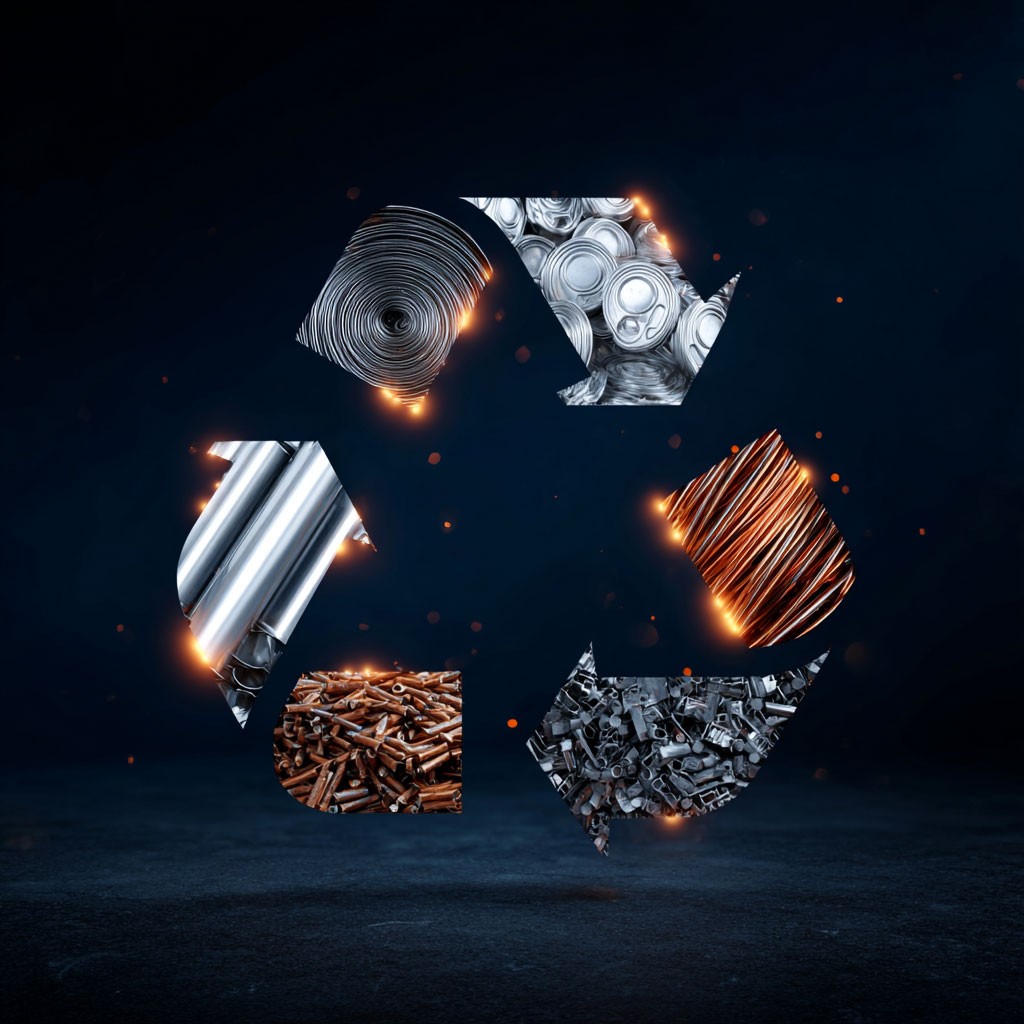
Recycling instead of mining
The production of primary metals is associated with immense energy consumption, CO₂ emissions, and environmental exploitation. Recycling offers an alternative – recovering material uses significantly fewer resources and reduces the negative impact on the planet.
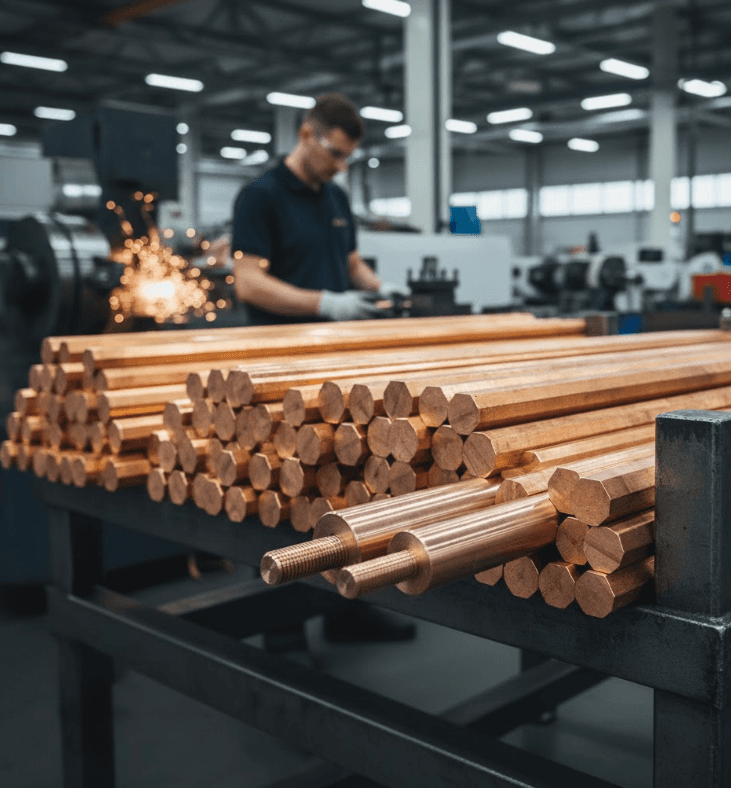
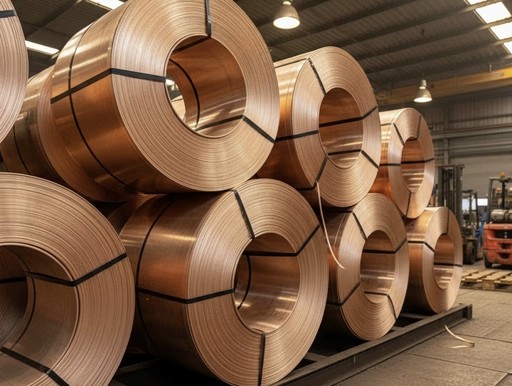
Copper – 100% recoverable
Copper can be processed indefinitely without losing its properties. This means that practically every tonne of recovered copper re-enters circulation – into cables, devices, or energy installations.
Aluminium – a champion in energy saving
Recycling aluminium requires up to 95% less energy than its production from bauxite ore. Moreover, over 70% of the aluminium produced in the history of the world is still in use. This makes it one of the most 'circular' materials.
Steel – the world's most recycled material
Steel is distinguished by its scale – it is the most recycled material in the world. Hundreds of millions of tonnes of steel annually return to smelters, where they are melted down into new structural components, profiles, or sheets.
Why is metal recycling so important?
it reduces CO₂ emissions and environmental footprint,
limits the need for new mines and resource exploitation,
allows for global energy savings,
provides a stable source of materials for industry,
supports the development of a circular economy.
Summary
Metal recycling is not a trend but a necessity. In a world that increasingly needs copper, aluminium, and steel for energy and digital transformation, recovering materials becomes one of the most important pillars of the economy of the future.