26 Apr 2025
How Metals Shape the Green Energy Transition
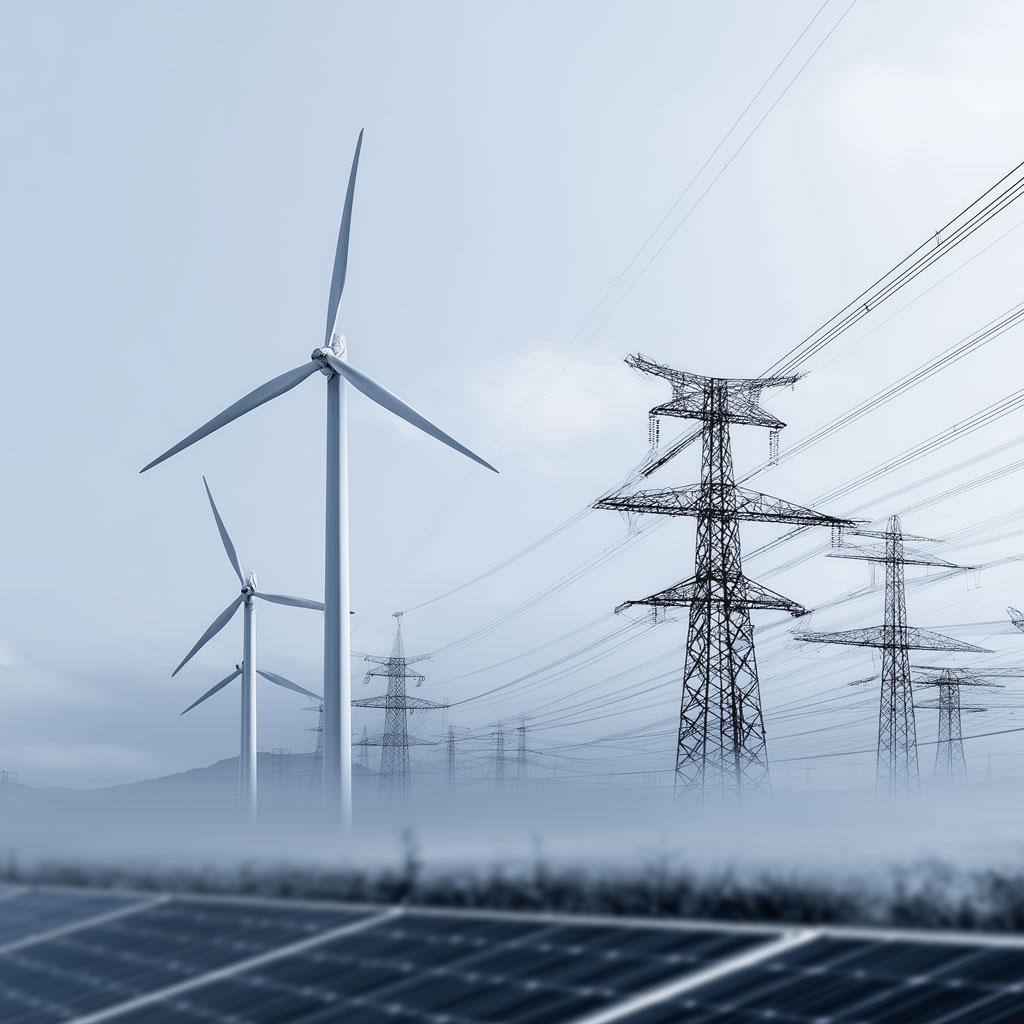
Without copper, aluminium, and steel, wind farms, transmission networks, and photovoltaic panels could not be established. They are driving the green revolution.
The Future of Energy Based on Metals
Energy transformation is not just a buzzword but a genuine process that requires vast quantities of raw materials. At the forefront are three metals: copper, aluminium, and steel. Each plays a pivotal role in constructing renewable energy infrastructure and modern transmission networks.
Copper – The Conduit of Energy
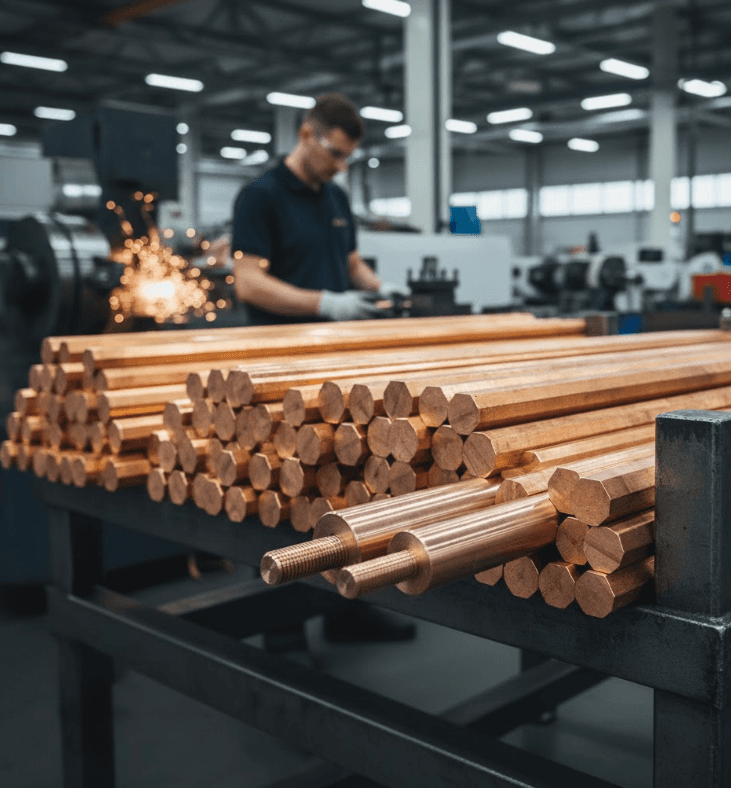
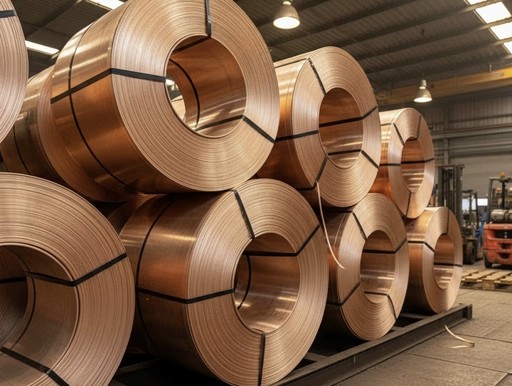
Owing to the highest electrical conductivity, copper is indispensable in wind turbines, photovoltaic installations, and transmission cables. It is estimated that each wind turbine contains between 2 to 6 tonnes of copper, depending on size and technology.
Aluminium – Lightweight in Energy Transmission
Although aluminium conducts electricity less effectively than copper, it has one significant advantage – it is three times lighter. Consequently, it is extensively used in high-voltage lines, where wire weight is critical. Lightweight aluminium cables enable the construction of longer transmission lines and help reduce infrastructure costs.
Steel – The Foundation of Structures
Wind farms, solar panels, and transmission towers could not exist without steel. Steel provides the constructions with strength and stability, allowing them to endure harsh weather conditions for decades.
Metals and the Green Transformation – Key Areas of Application
Copper – wind turbines, PV panels, smart energy grids.
Aluminium – high-voltage wires, components of lightweight structures.
Steel – wind towers, panel structures, foundations, and transmission infrastructure.
Summary
The green energy transformation is not just about investments in renewable energy sources and the digitisation of networks. It also involves a substantial demand for traditional metals that gain strategic importance in this new context. Without copper, aluminium, and steel, the infrastructure enabling us to transition to renewable energy would not exist.